the shapes of the earth
Museo delle Terrecotte
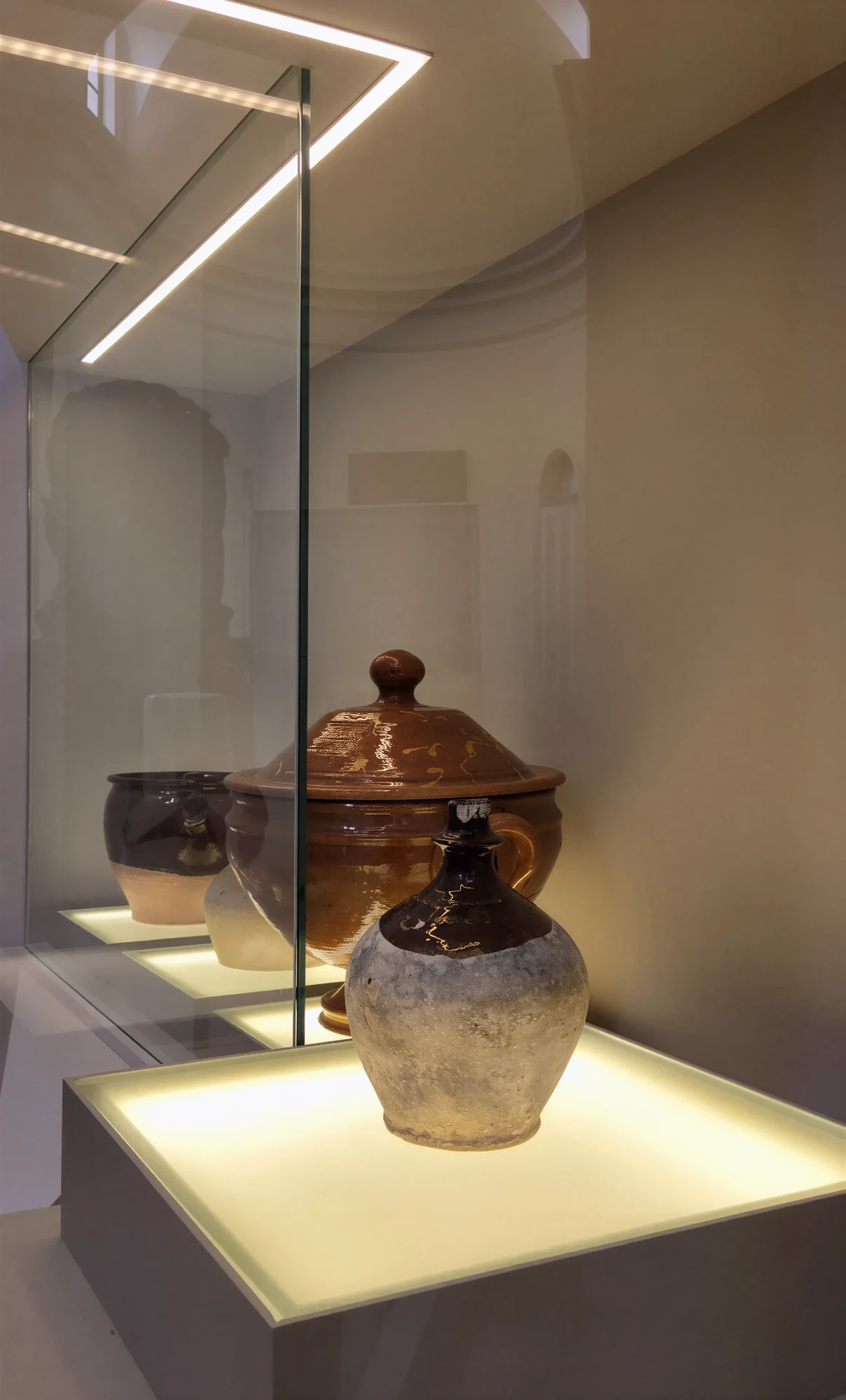
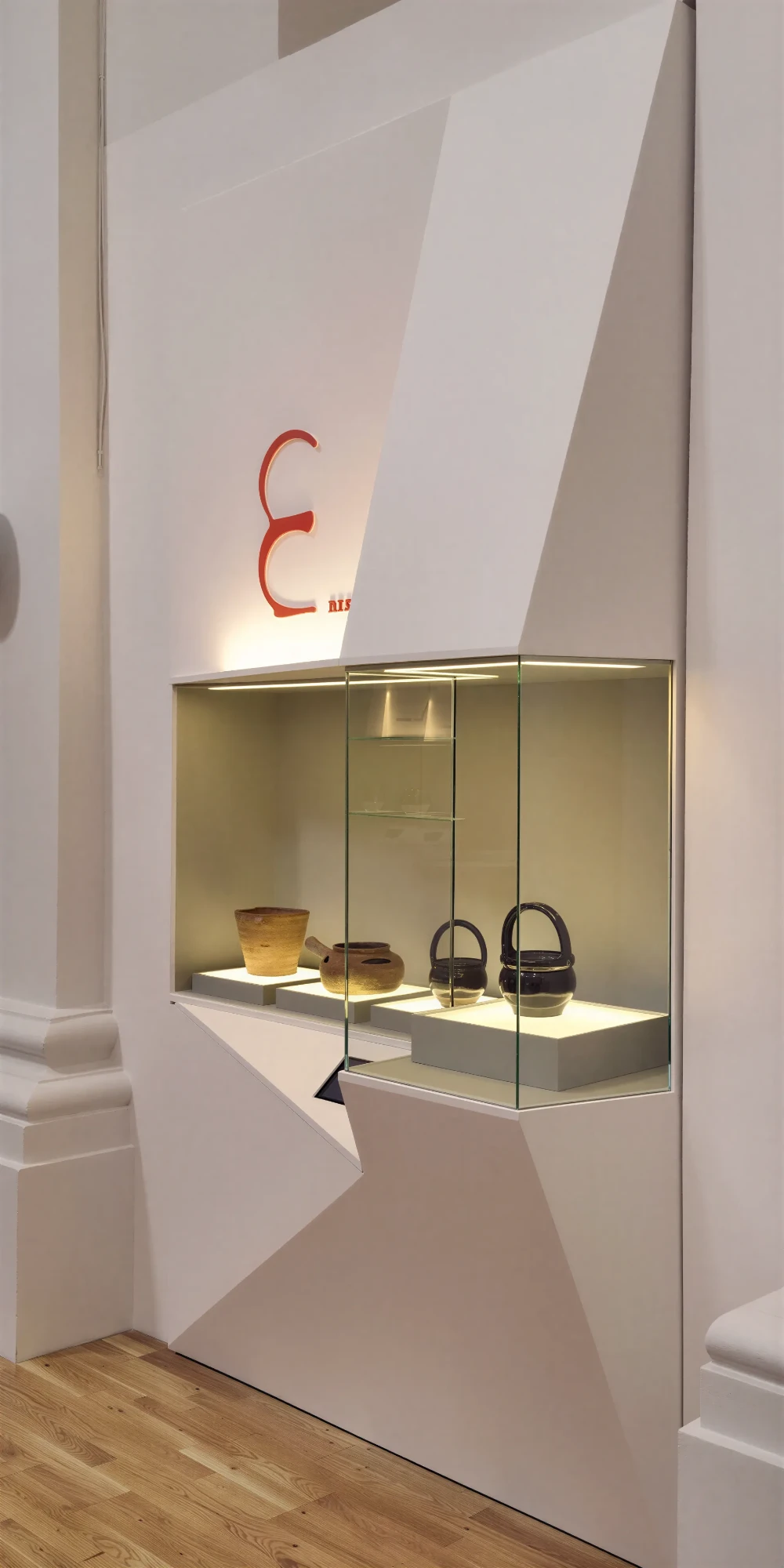
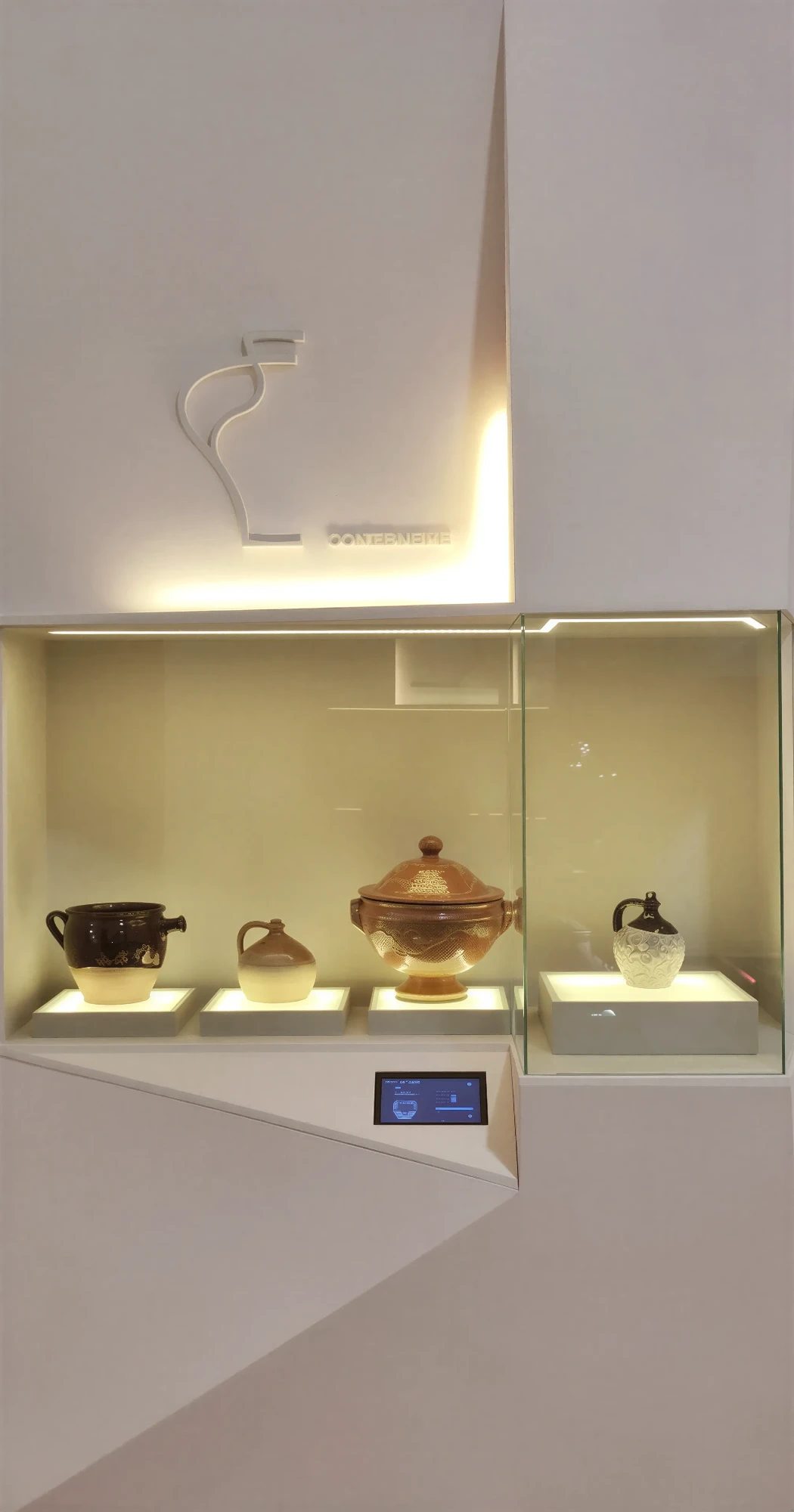
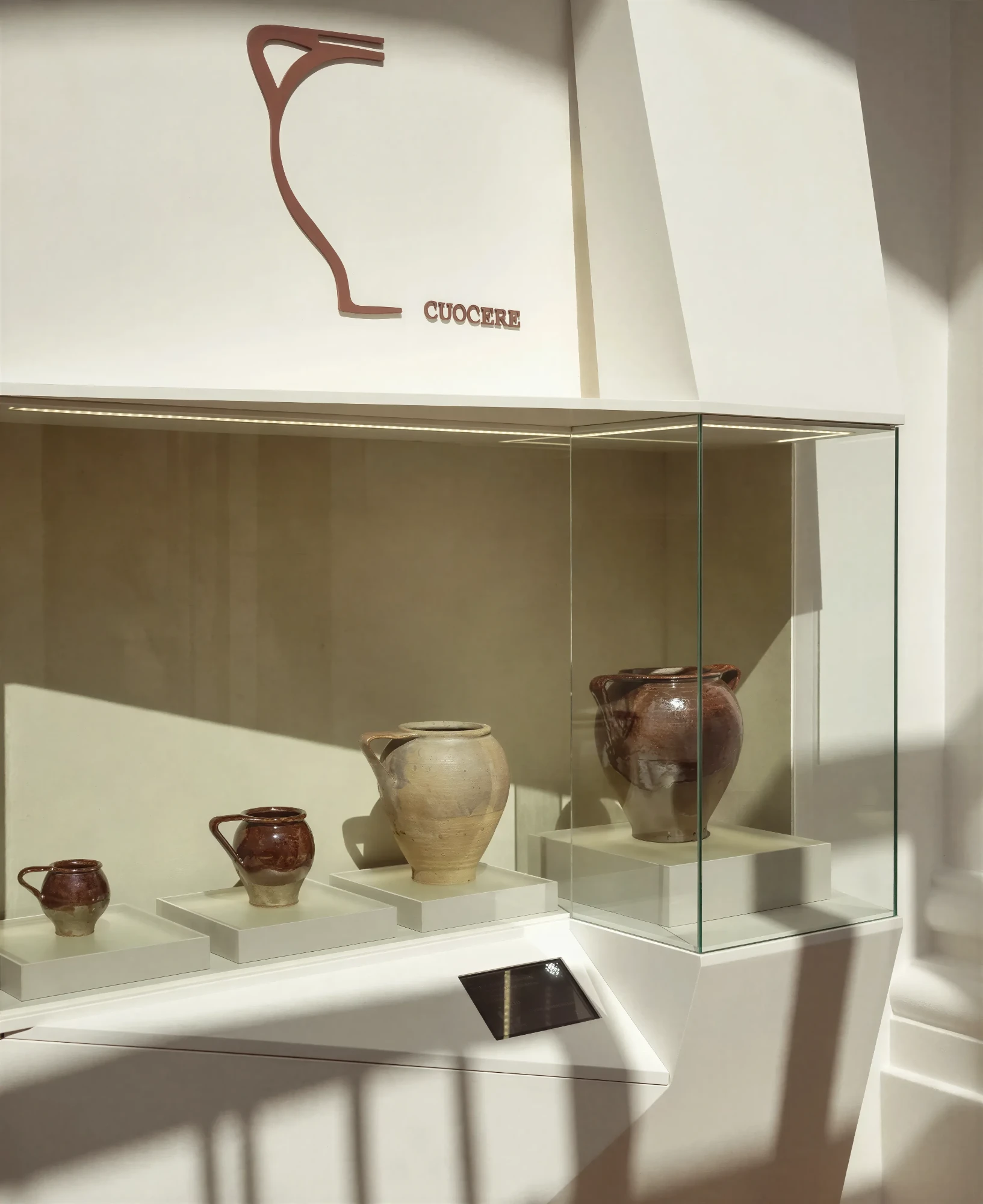
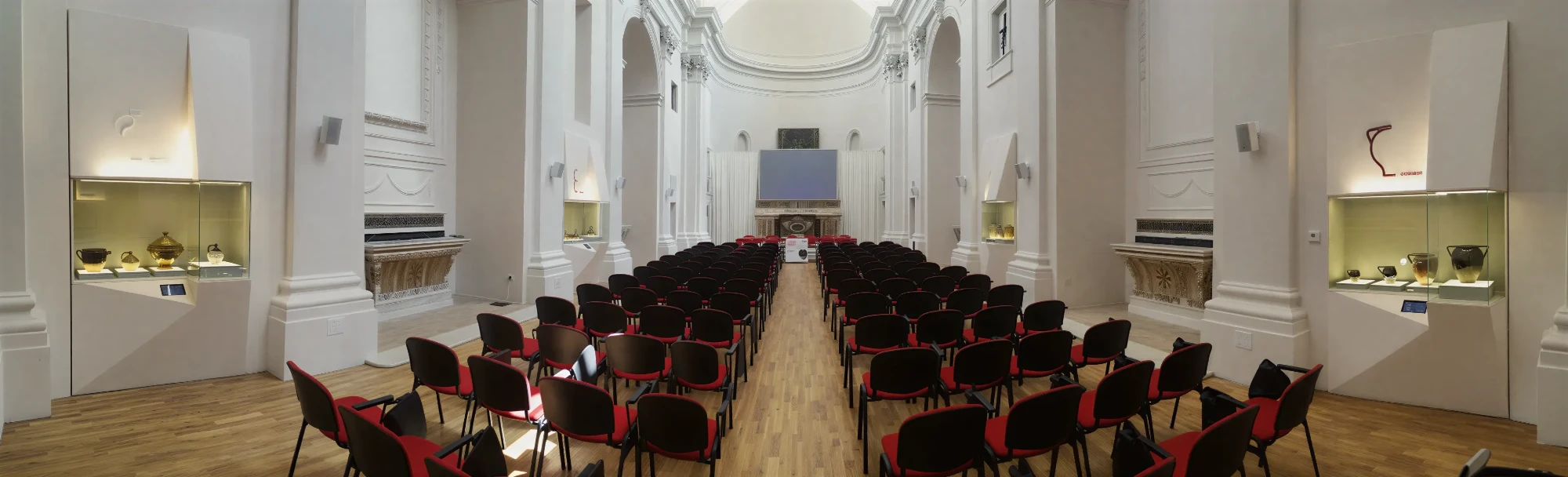
The Museo delle Terrecotte of Fratte Rosa, in the province of Pesaro-Urbino, occupies the ground floor of the ancient, monumental convent complex of Santa Vittoria, about three kilometres from the village. Ceramic production has been part of the local tradition for centuries and has always been an important part of this small town's economy. But in Fratte Rosa the artisans were not only producers of terracotta; they were themselves also merchants and sellers of their products, which they brought to nearby markets. An incredible variety of plates, jugs, jars, pine-shaped vessels, cooking pots, baking trays, basins, tureens, large jars, soup bowls, foot warmers and even “tomboli” — the classic pipes used for rainwater or sewage drainage — came out of the various artisan workshops.
This is an incredible variety and typological concentration with no equal in other areas, even ones famous for terracotta. The museum came into being thanks to the sensitivity and great cultural attention toward this craft shown by the ceramicist Franco Bucci, who many years ago frequented these places and the town's old ceramists, and who acted as the driving force behind its creation. After years of research, the museum was finally inaugurated in June 2002. Today it holds many pieces, arranged with great taste and refinement across several rooms in a wing of the convent. In the first room are gathered tools and working equipment, alongside the raw material itself, clay, popularly known here as “lubaco”. In the second room, prototypes of local production are presented, while in the third room the most significant and emblematic pieces of Fratte Rosa ceramics are displayed.
But the most interesting thing about this facility is the presence of a well-equipped workshop where it is possible to practice and learn directly from local artisans the techniques and secrets of working with clay.
This is an incredible variety and typological concentration with no equal in other areas, even ones famous for terracotta. The museum came into being thanks to the sensitivity and great cultural attention toward this craft shown by the ceramicist Franco Bucci, who many years ago frequented these places and the town's old ceramists, and who acted as the driving force behind its creation. After years of research, the museum was finally inaugurated in June 2002. Today it holds many pieces, arranged with great taste and refinement across several rooms in a wing of the convent. In the first room are gathered tools and working equipment, alongside the raw material itself, clay, popularly known here as “lubaco”. In the second room, prototypes of local production are presented, while in the third room the most significant and emblematic pieces of Fratte Rosa ceramics are displayed.
But the most interesting thing about this facility is the presence of a well-equipped workshop where it is possible to practice and learn directly from local artisans the techniques and secrets of working with clay.
date
2014
Client
LiS Laboratorio di Idee per la Sostenibilità
Location
Fratterosa, Convento di S.Vittoria
with
Silvano Straccini, Duemilamusei
LiS Laboratorio di Idee per la Sostenibilità
Location
Fratterosa, Convento di S.Vittoria
with
Silvano Straccini, Duemilamusei